Mother Nature’s Little Prank: Wild Berries, Pretty Flowers, and Poison Ivy
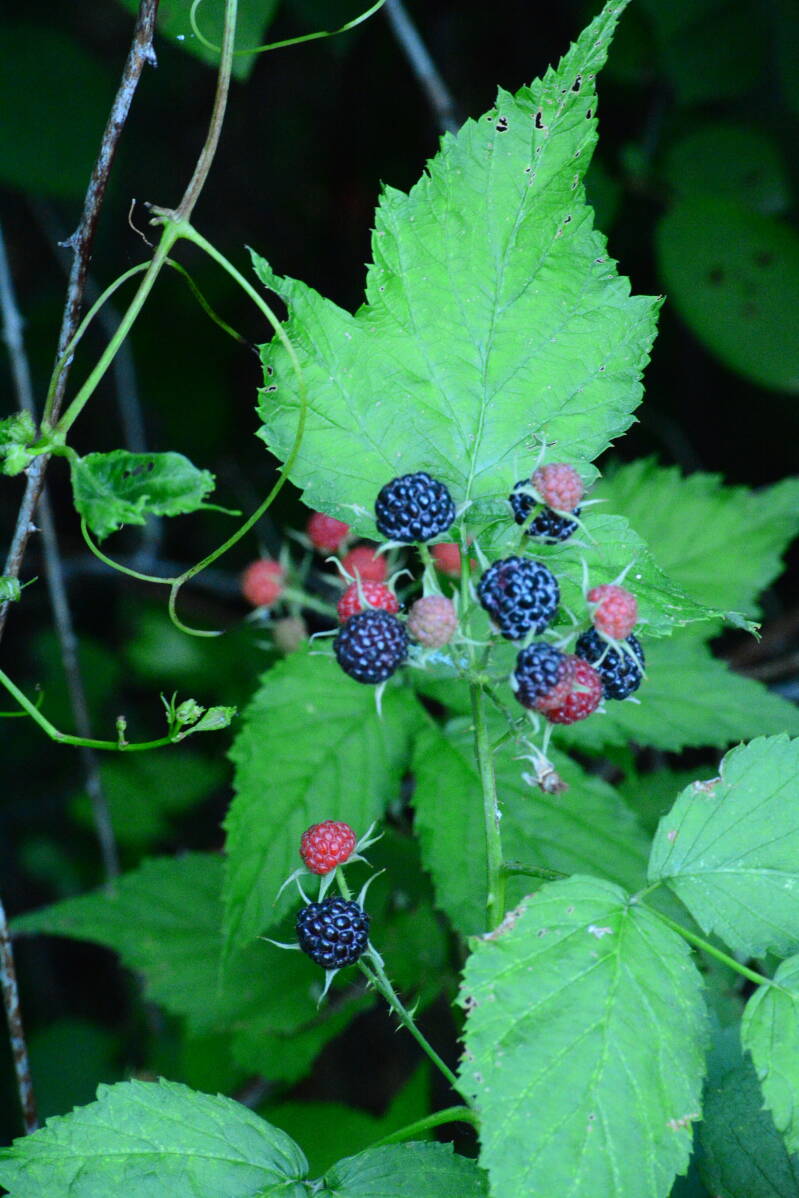
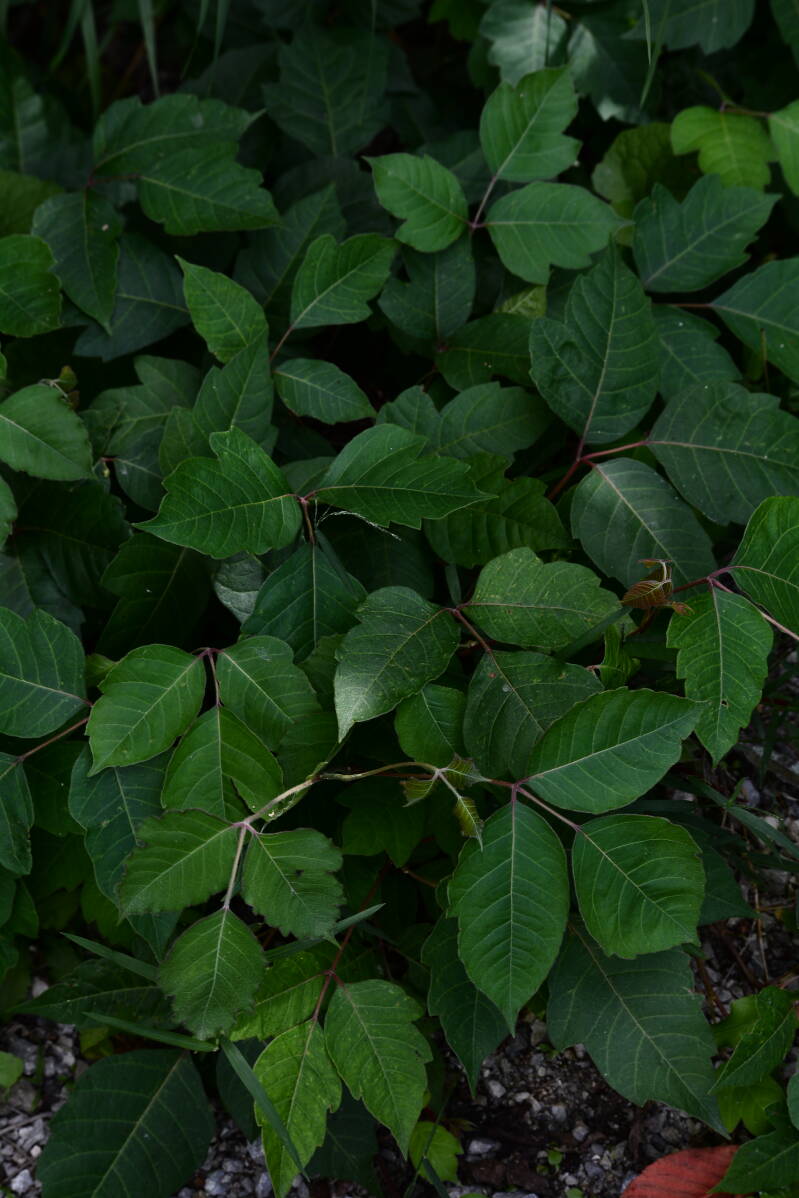
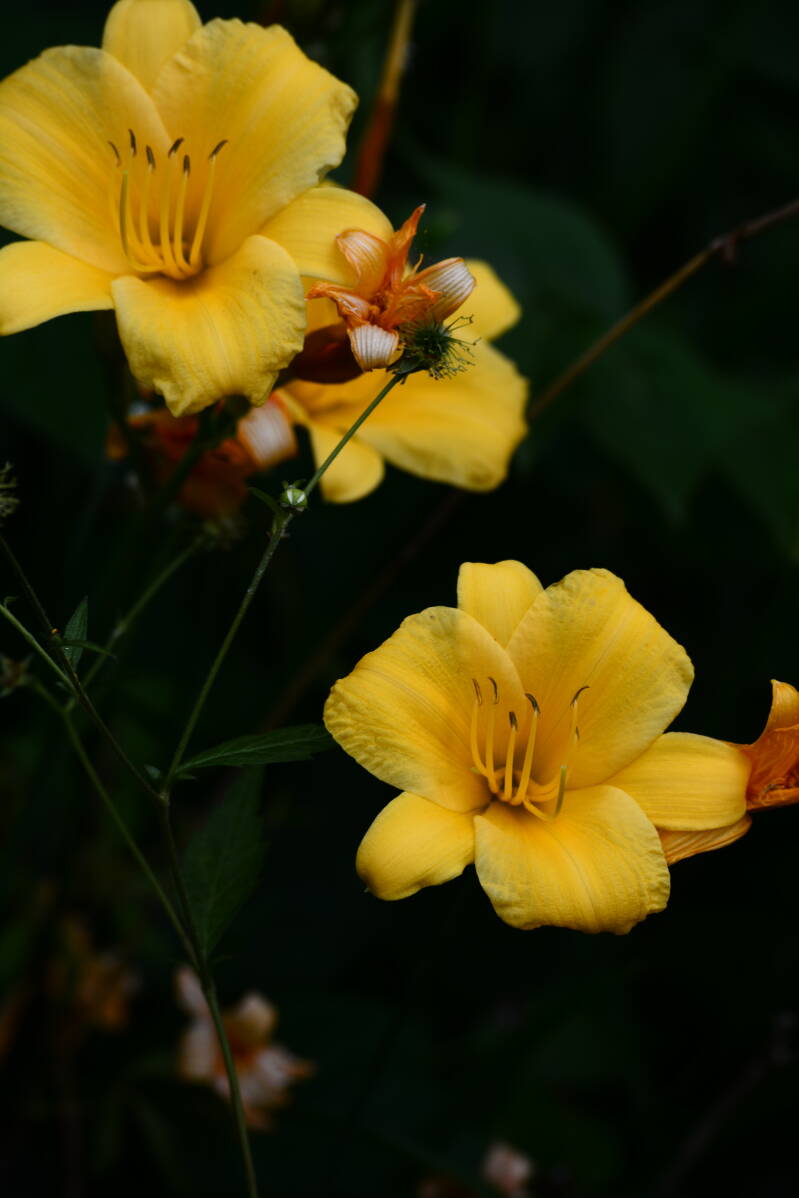
Mother Nature really does have a sense of humor. One minute you’re out in the field admiring a patch of wild black raspberries or a cluster of pretty day Lillie's and Fleabane flowers, and the next you realize they’re growing right beside poison ivy.
It’s like the landscape is saying, “Look how beautiful this is… now don’t touch that.”
Wild edible black raspberries can be one of the sweetest surprises in nature. They lure the eye with their color and abundance, but when they appear in the same wild spaces as poison ivy, the scene becomes less “forage and feast” and more “admire from a safe distance.”
Mother Nature really said, “Here’s the temptation, here’s the warning, and here’s the aftermath.” Very Adam and Eve of her.
The same can be said for many beautiful wildflowers that brighten roadsides, fields, and wooded edges while toxic plants sneak in nearby like uninvited guests.
Poison ivy is the ultimate trickster plant. It hides in plain sight, often growing alongside harmless or even useful plants, which makes it even more memorable when it causes that itchy, miserable rash.
Nature seems to have paired the warning sign with the temptation on purpose.
But here’s the part that feels almost like a joke with a punchline: in some places, jewelweed grows nearby.
This bright, delicate plant is often found in the same damp, shaded areas as poison ivy, and it has long been used as a traditional remedy for soothing poison ivy exposure. Its orange or yellow-orange flowers make it easy to spot once you know what to look for.
So the woods hand you temptation, danger, and a possible remedy all in one walk.
That’s Mother Nature for you: beautiful, dramatic, and just a little bit sarcastic.