March always feels like a month that can’t quite make up its mind. One day it seems ready to bloom, and the next it reminds us that winter still has a few tricks up its sleeve. Feeling a bit under the weather, or is it allergies? The back and forth sometimes seems questionable.
The shift into daylight savings brings longer evenings, later sunsets, and a noticeable boost in daylight by the end of the month. At the same time, March is still part of the active flu season, and it is also a month when severe weather and tornado awareness become important again.
This makes March a great time to slow down, pay attention to your body, enjoy the changing skies, and get outside while the temperatures are still manageable. It is also a good time to laugh at the weather a little, because March is basically the season that can deliver sunshine, fog, wind, rain, and a tornado watch all before lunch.
March Weather Feelings
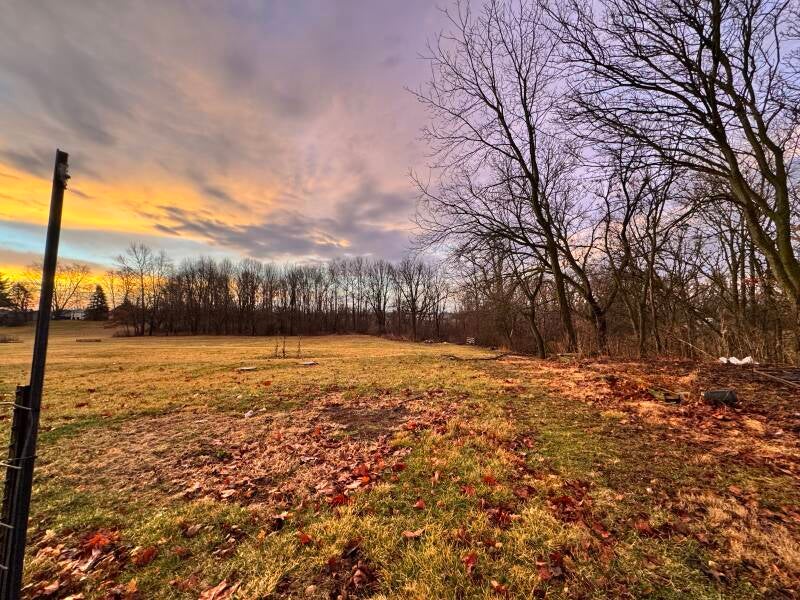
March weather is an episode of Mother Natures Menopause whiplash. One morning may bring a soft low fog that hangs close to the ground, and the next afternoon may feel breezy, warm, and full of spring energy. In Indiana, March also brings a clear gain in daylight, with the month adding more than an hour of daylight overall, which is one reason the evenings begin to feel longer and more inviting. That extra light can make even ordinary chores feel more doable, whether you are feeding animals, cleaning up beds in the garden, or hauling tools outside before the heat arrives.
March also deserves a little humor, because the weather can be wildly inconsistent. It is the only month that can hand you a warm afternoon, a chilly wind, a muddy driveway, a tornado watch, and a gorgeous sunset all in the same 24 hours. The calendar says spring, the thermostat says “maybe,” and your shoes say “please stop stepping in wet grass.”
That kind of unpredictability can actually be part of the charm. It keeps life interesting, forces us to laugh at our plans, and reminds us not to take every weather forecast too seriously. March may be moody, but it is also lively, and there is something satisfying about surviving its drama with a cup of tea and a good sense of humor.
The changing skies are part of what makes March so beautiful. Sunrise colors can shift from pale gold to peach and soft pink as the sun climbs higher, while sunsets often stretch into deeper orange, rose, and lavender tones as daylight lingers longer. Those color changes are not just pretty; they are a reminder that the angle of the sun is changing quickly this time of year, and the atmosphere often carries more moisture, dust, and pollen than it did in winter. That is why March skies can look dramatic, especially when fog, clouds, and bright sun all show up in the same day.
Fog and Morning Light
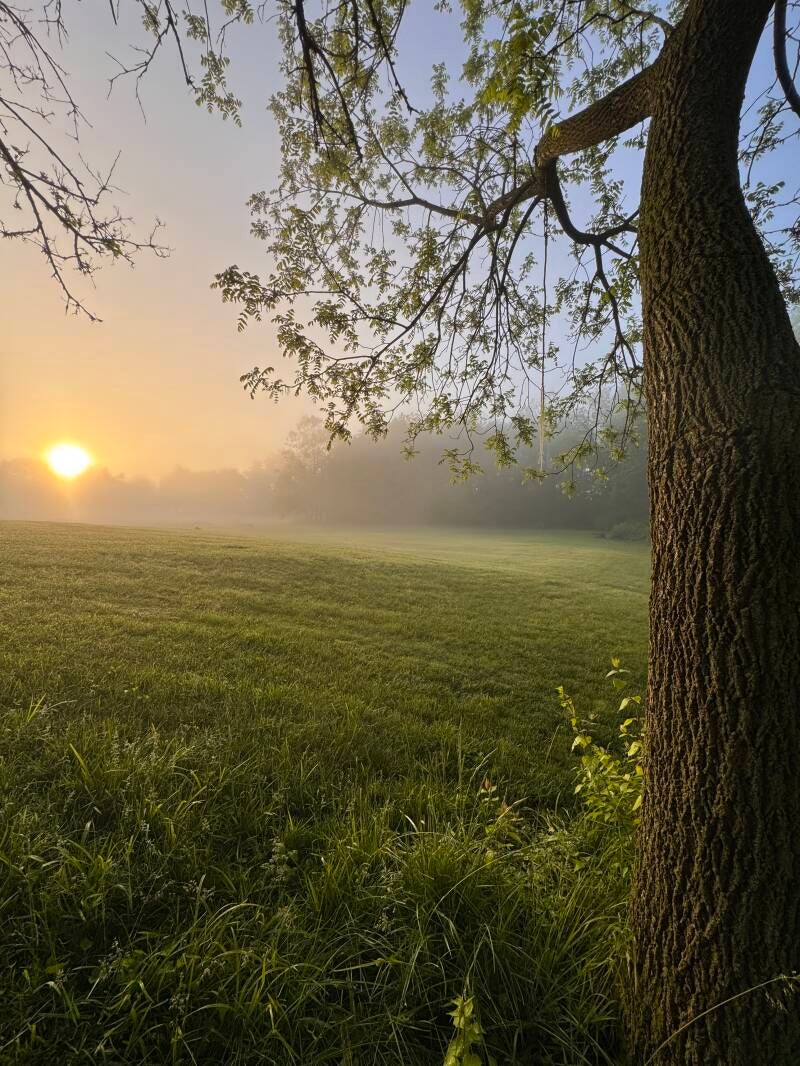
Early March mornings often come with low fog, especially when overnight temperatures cool the ground and moisture settles near the surface. Fog can make the world look quiet and dreamy for a little while, as if the morning is still deciding whether it wants to begin. It can also create those soft, muted sunrise colors that photographers love, because the light has to pass through a heavier layer of moisture and particles before it reaches your eyes.
If you like observing nature, March is a wonderful month for watching how fog lifts, how the first birds call earlier in the morning, and how the light changes from gray to gold in just a short time. It is one of those small seasonal gifts that can make you pause before the day gets busy. A simple mug of tea, a walk to the mailbox, or even just standing on the porch can feel like a tiny reset when the morning sky is doing something beautiful.
Color in the Sky
One of the nicest parts of March is how visual it feels. The low angle of the sun, the moisture in the air, and the changing length of the day can all make sunrise and sunset more colorful than usual. By late March in Indiana, daylight savings has already shifted the clock, and the evenings stretch much later than they did in winter, with central Indiana nearing sunrise around 7:30 a.m. and sunset around 8:07 p.m. by month’s end. That extra evening light seems to invite everyone outside a little longer, whether to walk the dog, check the garden, or simply stand in the yard and enjoy being outdoors.
If you pay attention, you may notice that the sky seems to tell a different story every day. Some mornings begin with silver-blue fog and a thin orange line at the horizon. Some evenings turn the clouds into streaks of coral and gold. March is full of these small transitions, which makes it an excellent month for photography, journaling, or simply noticing beauty in ordinary places.

Flu and Immune Support
March is still an elevated time in flu season, in which prevention still matters. Most people who feel like they have had better days should rest, hydrate, and be mindful of handwashing more.
It is also smart to pay attention to our energy levels in spring. Spring fever seems to push people harder once the weather starts improving and forget that the body still needs recovery time. Especially those who have allergies to the new growth of molds and spores and those of outdoor that remain in the air should be mindful of outdoor activities that are prolonged.
Herbs can be a gentle part of a wellness routine if planned right. Through the seasonal transition we like milk thistle, astragalus, oil of oregano, garlic all in capsules form, while others we combine in a drink are ginger, rosemary, elderberry, turmeric, mint(s), and dandelion root. These herbs are commonly used in teas, this is how we make ours.
We usually grab a large mouth 48oz (half a gallon) canning jar and with a built to fit strainer in it we add these ingredients and let sit on the shelf in the refrigerator for a day. Then we grab a second jar and move the strainer filled and with the same ingredients already pre-used and pour water over and fill a second jar that will then be covered and placed in the refrigerator. Then, back to the first jar we then pour half into a different jar and add water to dilute it some and add honey. (Side note-the Ginger and Rosemary are very strong and potent flavors). Works great all over and helps us remain with a bit stronger of a chance at immunity during this time.
Holistic Habits That Help
A strong immune system is usually built with simplicity of daily habits, rather than by dramatic fixes.
Hydration as you have heard is key (your body weight in water), sleep (at least 6hrs for those awesome achievers while some of us with immune compromised need no less than 8hrs and those with Meniere's Disease, Lupus, POTS, MS, Fibromyalgia, Mitral Valve Prolapse, or those others with heart issues should aim for 10hrs), movement (even if lying down for those with POTS) , and smaller meals that include protein (LOTS of Protein) and of course fruits, and vegetables, all play a Huge role and matter.
March is a good month to lean into seasonal foods, lighter cooking, and gentle routines that support the body without overwhelming it.
It is always wise to talk with your health provider before making any changes or adding in supplements and check for medication interactions. Not all works for everyone, same as we are all different.
Outdoor Chores Before Heat
March is the perfect month to get ahead on outdoor work before the weather turns hot and tiring. If you garden, homestead, or simply keep up with property care, this is the time to clean beds, trim dead material, inspect tools, and tackle the heavier jobs while the air still feels crisp. A lot of people find that chores feel more manageable in the cool air of early spring than they do once summer humidity arrives, and that is not just your imagination.
This is also a good month to sort out tasks that require bending, lifting, or extra time outdoors. It is easier to move compost, rake leaves, prune shrubs, and check fencing before the sun starts beating down. A little planning now can save a lot of sweaty frustration later, which is basically the spring version of “do it now so future-you can be grateful.”
Tornado Awareness
March is also when severe weather awareness becomes especially important in the Midwest and nearby regions. Indiana emergency guidance emphasizes having multiple ways to receive alerts, knowing the difference between a watch and a warning, and taking shelter immediately when a warning is issued. That kind of preparation does not have to feel scary; it can simply be part of responsible spring living.